
 Wildlife
of Nepal
Greylag Goose
Ducks, Geese & Grebes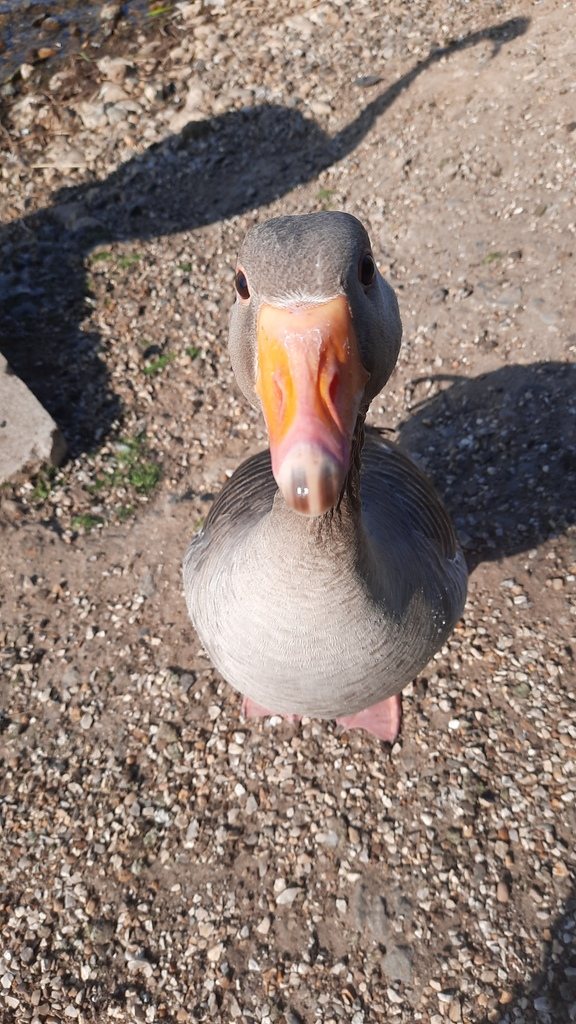
Photo: (c) olmagon, some rights reserved (CC BY) · CC-BY (May be cropped or resized)
Anser anser
Basic stats
Diet
Grass; often agricultural crops
Habitat
Moorland, marshes, lakeshores and coastal islands in the breeding season; estuaries, marshes and flooded fields in winter
Clutch size
Typically 4–6 eggs
The greylag goose is a large goose with mottled and barred grey and white plumage, an orange beak and pink legs, and is the largest and bulkiest of the grey geese. It is the ancestor of most breeds of domestic goose, domesticated at least as early as 1360 BCE, though it is more lightly built and agile than its domestic relative. Its plumage is patterned by pale fringes to the feathers (Wikipedia, general species account).
Birds from the north of its range often migrate south for the winter, though many populations are resident. They normally mate for life and nest on the ground among vegetation, usually laying four to six eggs, incubated by the female, with both parents defending the young. In winter they occupy semi-aquatic habitats, feeding on grass and often on agricultural crops. The sources opened give nothing specific to Nepal.
Quick answers
- What does the Greylag Goose eat?
- Grass; often agricultural crops
- What habitat does the Greylag Goose live in?
- Moorland, marshes, lakeshores and coastal islands in the breeding season; estuaries, marshes and flooded fields in winter
- How many eggs does the Greylag Goose lay?
- Typically 4–6 eggs
In Nepal
GBIF holds 30 records of the Greylag Goose from 4 protected areas in Nepal, dated 1980 to 2023. Most come from Chitwan National Park and Bardiya National Park.
Where it has been recorded
- Chitwan National Park 15 records, latest 2023
- Bardiya National Park 6 records, latest 2022
- Koshi Tappu Wildlife Reserve 5 records, latest 2018
- Shukla Phanta National Park 4 records, latest 2023
Covered in our place guides: Chitwan National Park, Koshi Tappu Wildlife Reserve.
Also in our other guides: Bhutan.
Records: GBIF occurrence data matched to park boundaries (© OpenStreetMap contributors, ODbL; Wikidata). Counts show recording effort, not how common the species is.